


Many advisors spend decades building successful practices. Far fewer stop to ask the more uncomfortable question: what happens when I’m no longer here?
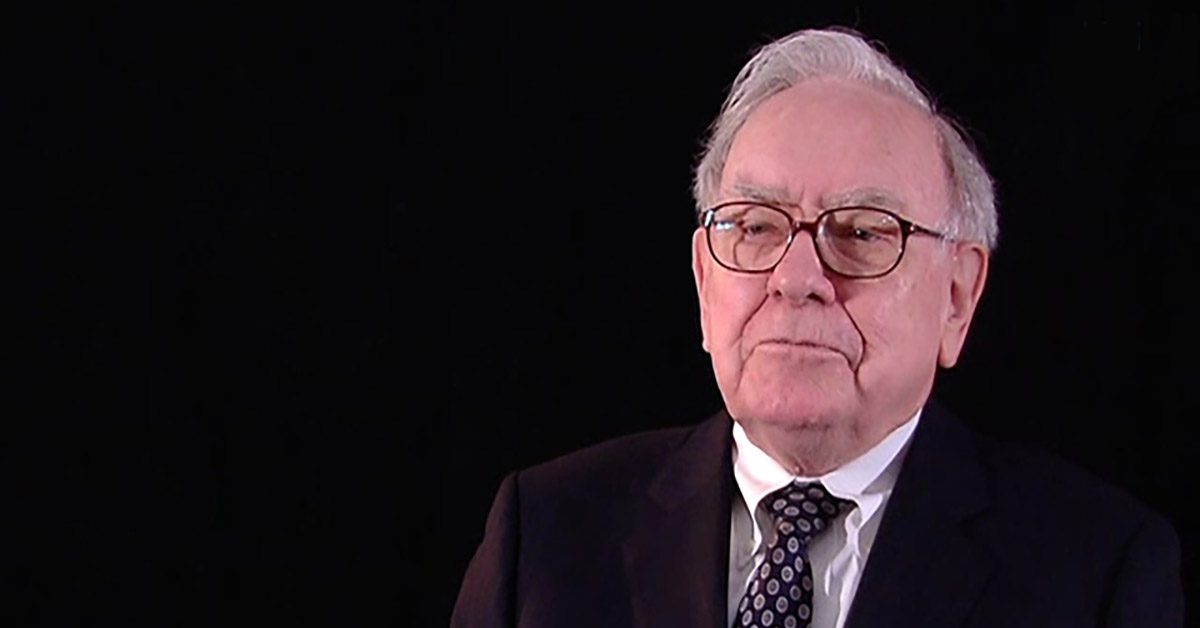
That question has been hard to avoid lately. Berkshire Hathaway held its first annual meeting under Greg Abel as CEO this spring, after Warren Buffett stepped down from the role at the end of 2025. For a company so closely identified with one man, the transition is a living case study in whether culture, discipline and trust can outlast charisma. Buffett stayed on as chairman, but the message was clear: even legends eventually have to leave the microphone.
Advisory firms face their own version of that test, usually with fewer shareholders in Omaha and more client couples asking whether “the team” really means anyone other than the founder. The difference between a practice and an institution is not size, revenue or assets under management. It is whether the firm can keep fulfilling its mission without the founder’s daily involvement.
Many advisors build excellent practices. They grow revenue, retain clients, earn referrals and become indispensable. Indispensability feels wonderful until it becomes a valuation problem, a succession problem, and eventually a client confidence problem. If every important relationship, decision, exception and cultural signal flows through one person, the firm may be successful, but it is not yet durable. It is still a practice with a very impressive central nervous system.
The market is starting to notice. RIA dealmaking opened 2026 at a record pace, with DeVoe reporting 93 transactions in the first quarter, tying the most active quarter on record. But buyers are not simply counting assets and applauding. They are looking harder at leadership depth, operational structure, client continuity and whether the business can scale without relying on founder gravity.
That is where many firms get exposed. Growth can hide structural weakness for years. New clients arrive. Revenue climbs. The founder remains busy, admired and utterly essential. Meanwhile, processes live in memory, not systems. Client experiences vary depending on who is handling the relationship. Staff members learn through osmosis, which is charming in small doses and terrifying as a management philosophy. The brand becomes inseparable from the founder’s personality, which means the brand is not really an asset. It is a wasting asset with a headshot.
Clients become attached to the person rather than the firm. That is natural. Trust begins personally. But enduring firms convert personal trust into institutional trust. The client still values the lead advisor, but also believes in the process, the team, the culture and the continuity behind the relationship. That shift does not happen accidentally. It has to be designed.
Institutional firms are built to transfer, replicate and sustain value. They document key processes so quality does not depend on someone remembering how “we usually do this.” They develop leadership beyond the founder, not as a ceremonial succession slide, but as a real operating discipline. They create predictable client experiences, from onboarding through long-term planning, so clients know what to expect and the firm knows how to deliver it.
Culture matters here, but not the vague kind printed on office walls between the coffee machine and the compliance poster. Real culture shows up in decisions. Who gets hired. How clients are served. What behavior is rewarded. Whether the firm values long-term stewardship or short-term production. If culture exists only in the founder’s instincts, it cannot scale. It has to be taught, reinforced and embedded in the way the firm operates.
The same is true for client development. A practice often grows through the founder’s personal network. An institution builds multi-generational relationship habits. It knows how to serve the children of clients, business partners, surviving spouses and next-generation wealth creators without waiting for a crisis or inheritance to force the introduction. Continuity is not just an internal succession issue. It is a client strategy.
Buffett’s old line fits: “Someone is sitting in the shade today because someone planted a tree a long time ago.” Advisory founders understand that idea when planning for clients. They are often slower to apply it to their own firms.
The ultimate measure of success is not how much a firm grows during a founder’s career. It is whether the firm continues creating value long after the founder steps away. Practices can be profitable. Institutions are durable.
The best founders eventually make the same hard transition: from being the reason the firm works to building the firm so it works without them. That is not surrender. It is stewardship.
At Financial Gravity, we believe the multi-family office model provides a powerful framework for making that transition. It allows advisors to surround clients with broader expertise, build deeper organizational capabilities, and create firms designed to endure beyond any one individual.
Working with family legacy issues, as family offices do, puts the focus on the very long term, and on future generations. This is a seamless and intentional way an advisor can move beyond personal production and toward leadership, culture, continuity and permanence. Learn more by watching this short video.